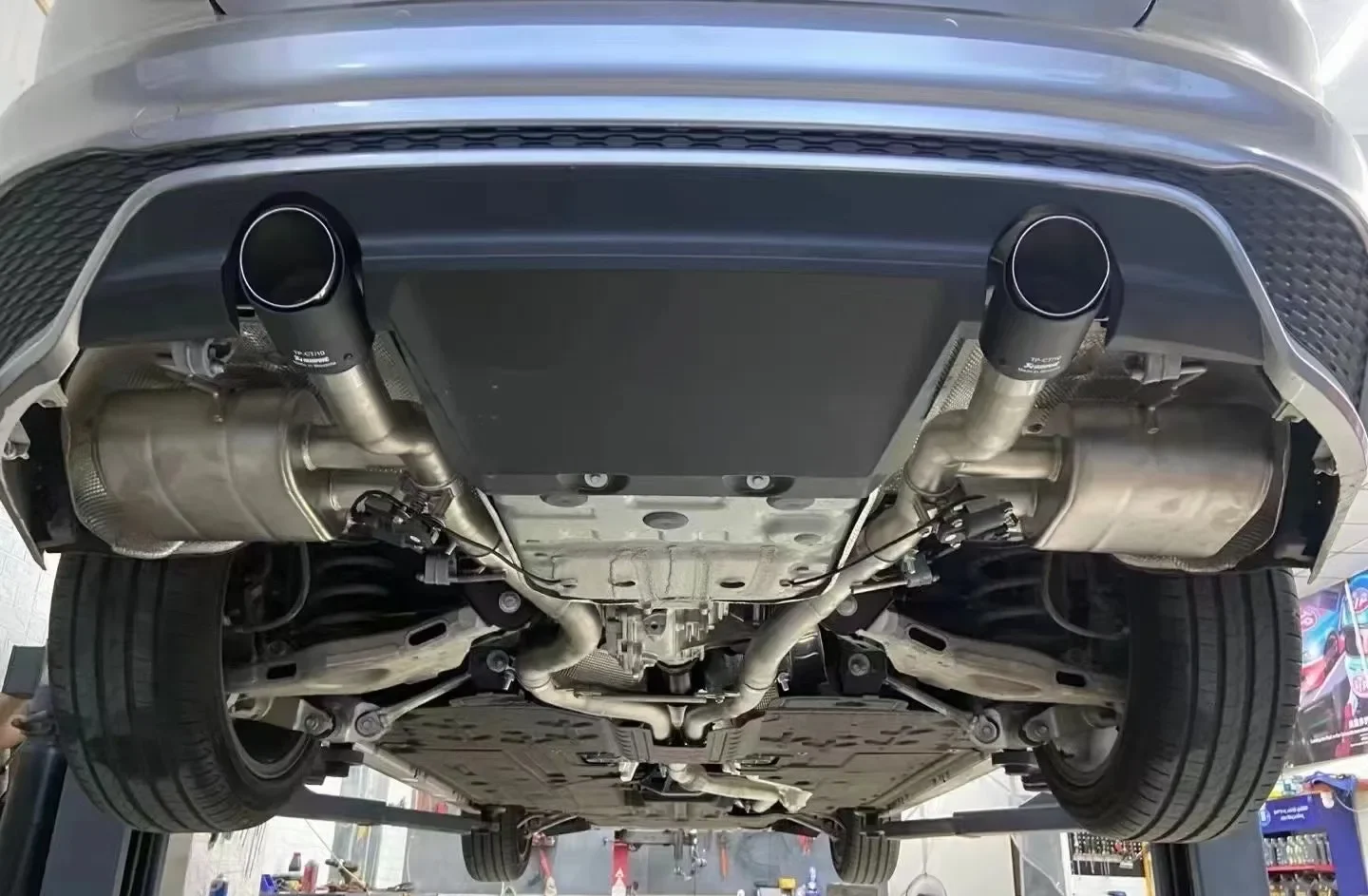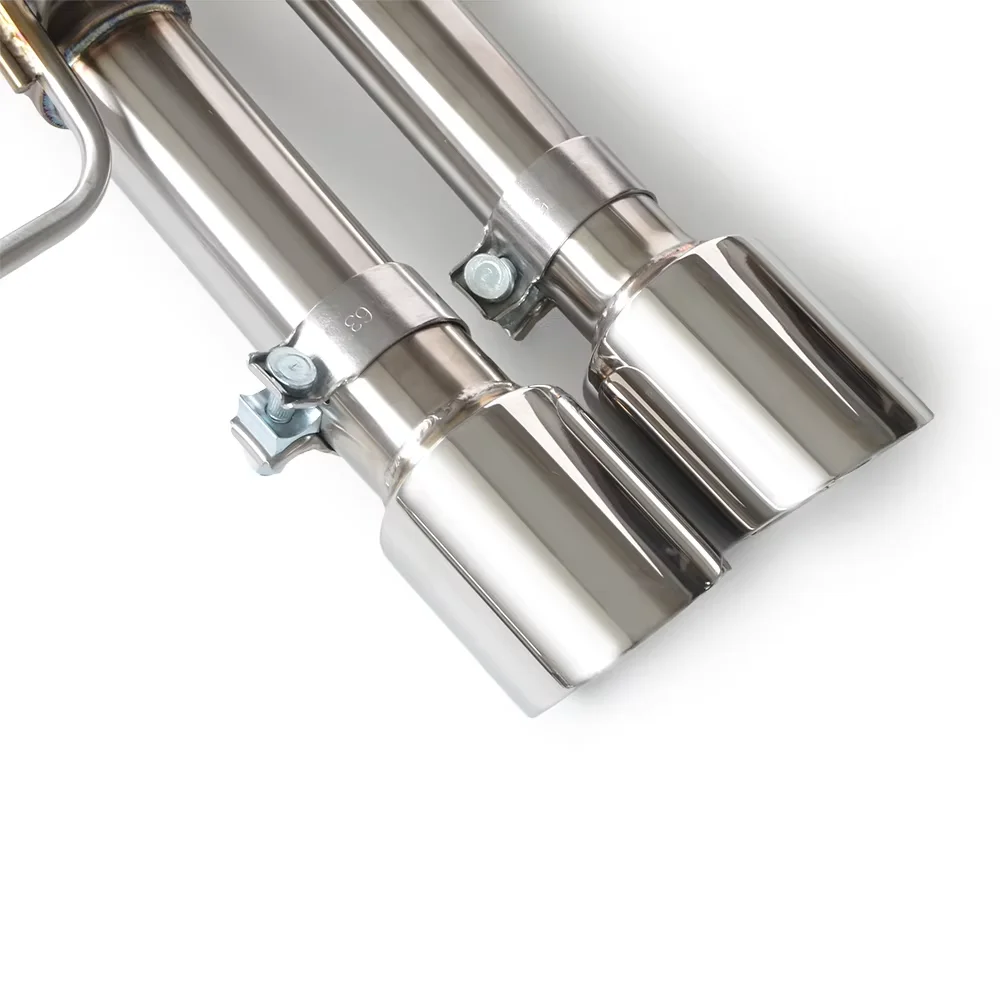



Exhaust modifications are one of the most popular upgrades among car enthusiasts in the United States. From deeper sound to improved performance, the appeal is obvious. But legality is where many drivers get confused. The truth is: some exhaust modifications are legal, but others can quickly cross the line depending on emissions laws, noise limits, and how the system is modified.
To understand what’s allowed, you need to look at three key areas: federal emissions law, state noise regulations, and real-world enforcement.
1. Federal Law: Emissions Compliance Is Non-Negotiable
At the national level, exhaust modifications are governed by the Clean Air Act, enforced by the Environmental Protection Agency (EPA). This is the most important rule to understand.
The Core Rule:
It is illegal to remove, bypass, or tamper with any emissions control device installed by the manufacturer.
This includes:
- Catalytic converters
- Oxygen (O2) sensors
- Diesel particulate filters (on diesel vehicles)
What This Means for You
- Cat delete / straight pipe (removing catalytic converter) → ❌ Illegal nationwide
- “Test pipes” for street use → ❌ Illegal
- Any modification that disables emissions systems → ❌ Illegal
Even if your vehicle runs fine, once emissions equipment is removed or altered, it is no longer street legal under federal law.
Penalties
Violations can result in:
- Fines (can reach thousands of dollars in serious cases)
- Failed emissions inspections
- Inability to register the vehicle
👉 Bottom line:
If your exhaust modification affects emissions systems, it’s not legal for road use in the U.S.
2. State Laws: Noise and Equipment Rules
While federal law focuses on emissions, state laws regulate noise levels and exhaust equipment.
Common Requirements Across Most States
- Vehicles must have a functioning muffler
- Exhaust systems cannot produce excessive or unusual noise
- Muffler bypass devices or cutouts are often restricted
However, each state defines “excessive” differently.
Example: California (Strict Enforcement)
California has some of the toughest exhaust laws in the U.S.:
- Exhaust noise limit: 95 decibels (dB) for most passenger vehicles
- Mufflers are mandatory
- Any modification that increases noise beyond legal limits can result in a citation
Additionally, California requires emissions-related parts to have CARB (California Air Resources Board) approval.
👉 Practical impact:
- Muffler delete → ❌ Illegal
- Loud straight pipe → ❌ Illegal
- CARB-approved cat-back exhaust → ✅ Legal
Other States (General Pattern)
Many states follow similar principles, even if enforcement is less strict:
- Texas / Florida:
- Muffler required
- Noise laws exist but are less aggressively enforced
- New York:
- Stricter inspections
- Increased enforcement on loud exhausts
👉 Key takeaway:
Even if enforcement varies, the rules themselves are widely similar across states.
3. What Exhaust Mods Are Actually Legal?
Now let’s break it down clearly.
✅ Generally Legal Modifications
These are safe choices when properly installed:
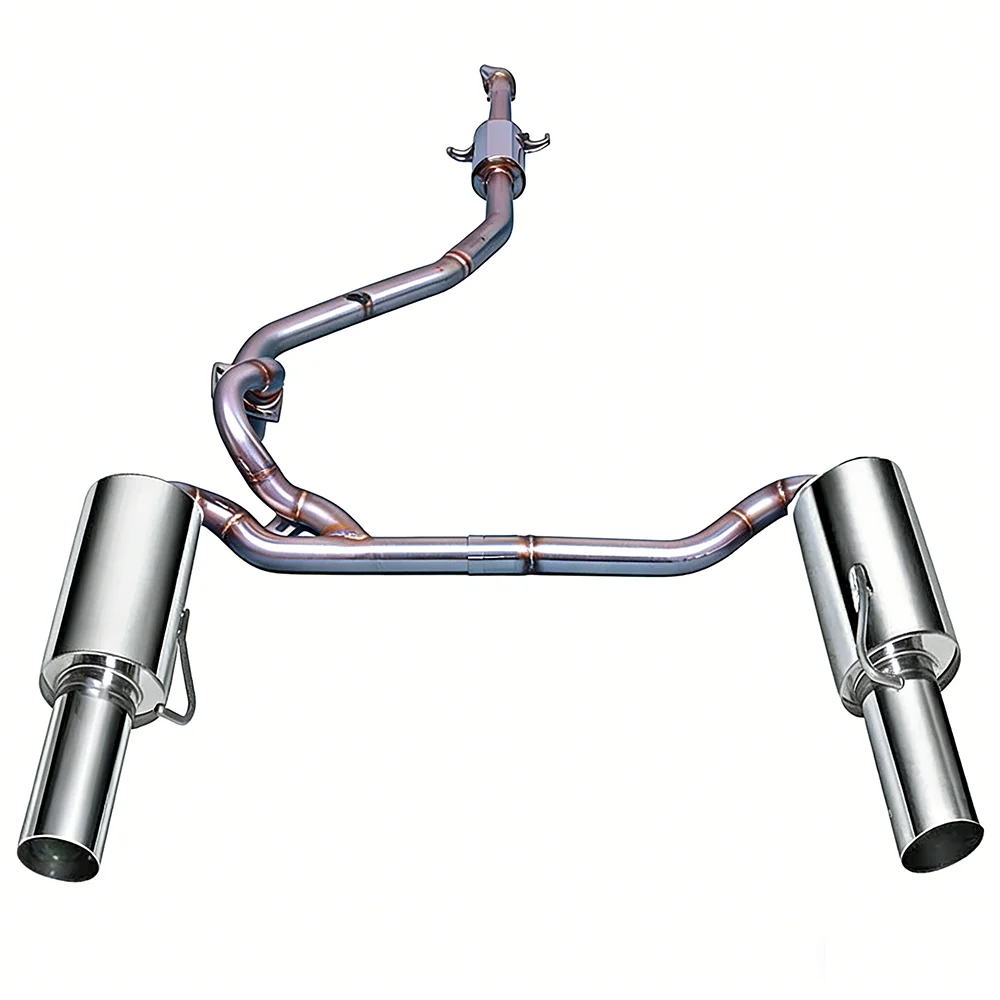
- Cat-back exhaust systems
(replaces exhaust after the catalytic converter) - Axle-back systems
(rear section only, mainly for sound) - Performance mufflers
(as long as noise limits are respected) - CARB-approved exhaust components (especially in California)
👉 Why they’re legal:
They do not interfere with emissions equipment and can be designed to meet noise regulations.
⚠️ Conditionally Legal
- High-flow catalytic converters
→ Must meet emissions standards (EPA or CARB compliant) - Valved exhaust systems
→ Legal if they remain within noise limits during operation
❌ Illegal for Street Use
- Removing catalytic converters (cat delete)
- Straight piping that removes emissions components
- Muffler delete (in many states)
- Exhaust cutouts (in most road-use scenarios)

4. Real-World Enforcement: What Actually Happens
Even if a modification is technically legal, enforcement depends on how noticeable it is.
Common Triggers for Tickets
- Excessively loud exhaust noise
- Aggressive driving behavior
- Visible modifications during inspections
In many areas, police use either:
- Decibel testing equipment, or
- Subjective judgment (“too loud”)
👉 This creates a gray area:
A system that seems acceptable to one officer may still get flagged by another.
5. How to Stay Legal (and Avoid Problems)
If you want to upgrade your exhaust without risking fines or failed inspections, follow these practical guidelines:
1. Keep Your Catalytic Converter
This is the #1 rule. Never remove it for street use.
2. Choose a Quality Cat-Back System
These systems provide:
- Better sound
- Improved performance
- Legal compliance
3. Avoid Excessive Noise
Loud doesn’t always mean better. A well-tuned exhaust sounds deep and refined, not harsh or extreme.
4. Check Local Laws
Look up your specific state requirements—especially if you live in stricter areas like California or New York.
5. Consider CARB Approval (If Applicable)
If you’re in California, always look for CARB-certified parts to avoid legal issues.
Final Thoughts
Exhaust modifications in the U.S. are legal—but only when done correctly. The key is understanding the difference between performance upgrades and illegal alterations.
- If you keep emissions systems intact and control noise levels, you’re generally safe
- If you remove emissions components or go excessively loud, you risk fines and failed inspections
The smartest approach is simple:
Choose a well-engineered exhaust system that improves performance while staying within legal limits.
That way, you get the best of both worlds—better driving experience and peace of mind on the road.