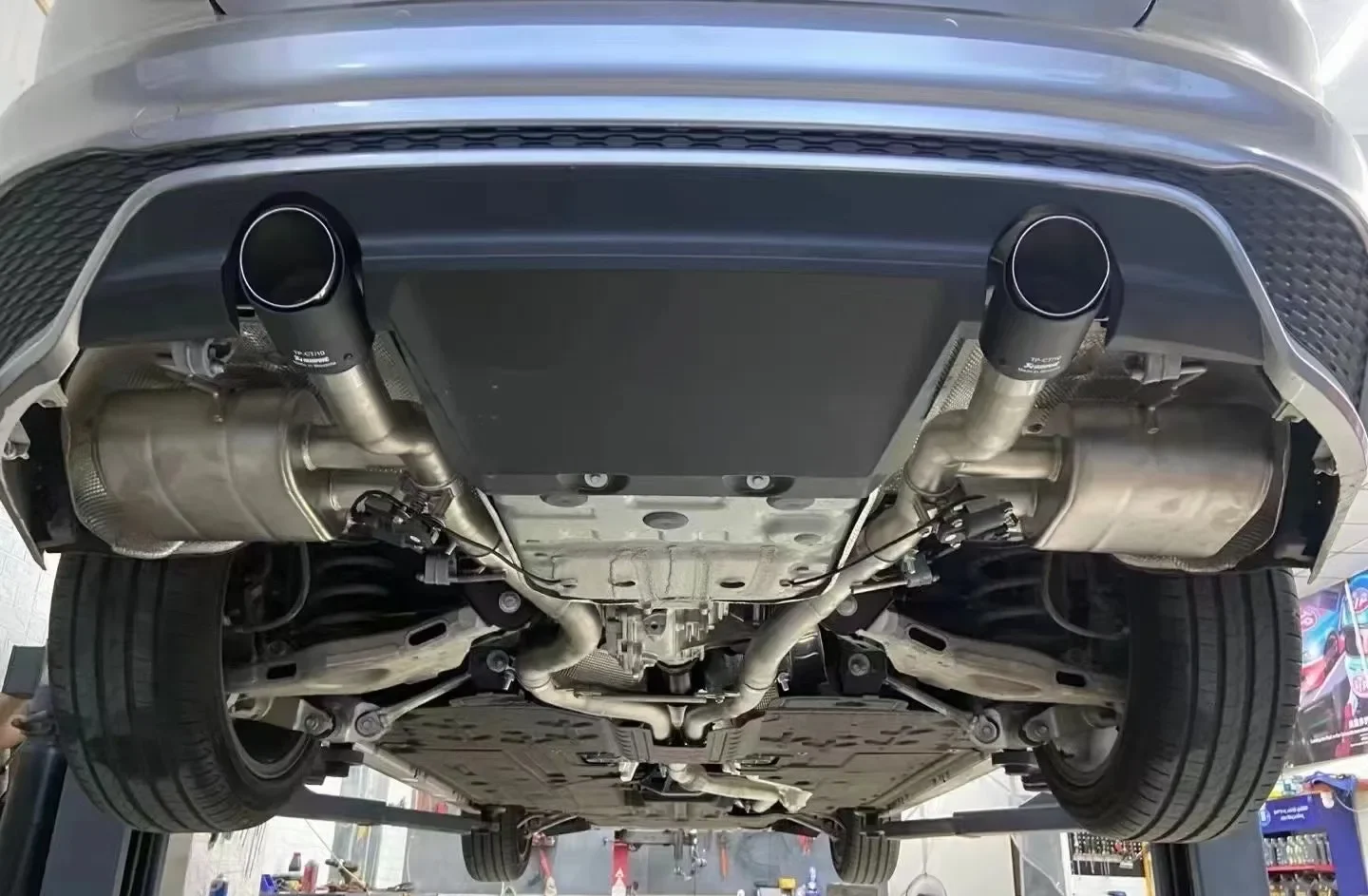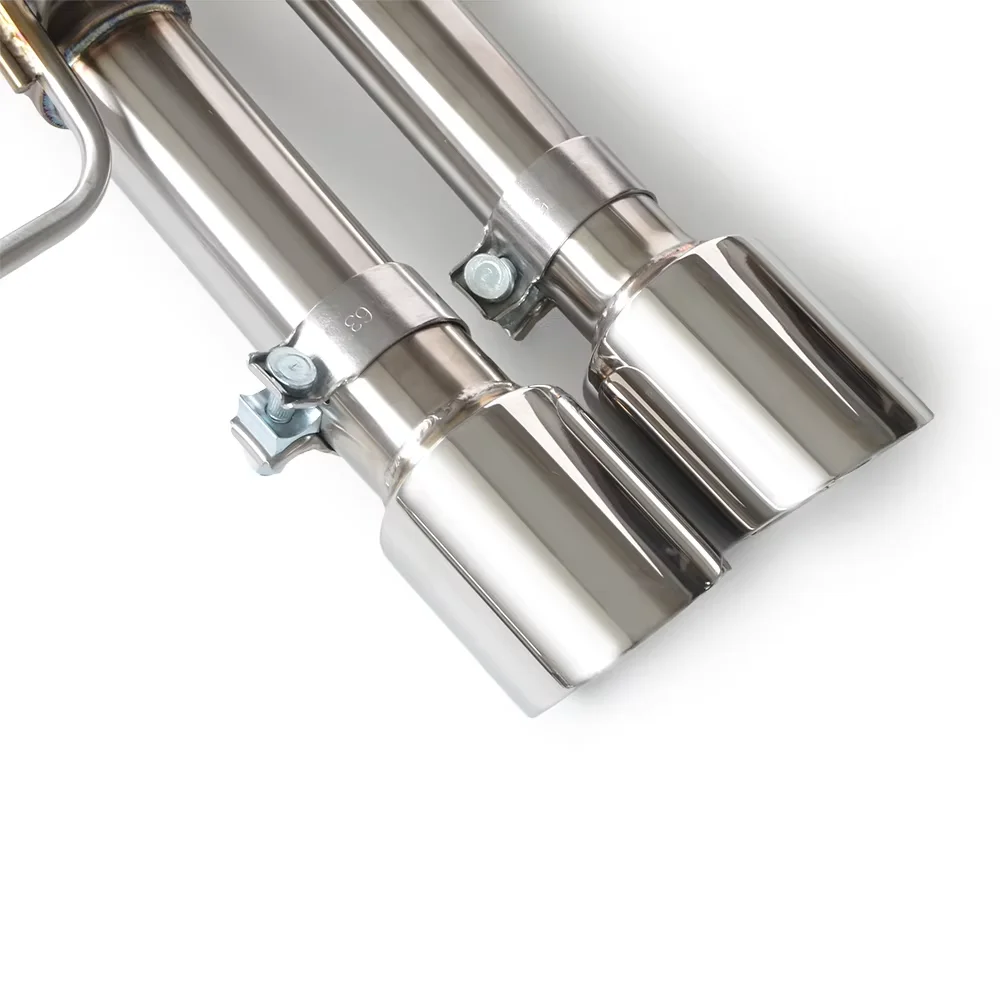





Upgrading your exhaust system is one of the most effective ways to improve your car’s performance, sound, and overall driving experience. But with so many options available—cat-back, axle-back, downpipes, valved systems—it’s easy to choose the wrong setup if you don’t understand what your car actually needs.
Step 1: Define Your Goal First
Before choosing any exhaust, you need to be clear about what problem you want to solve. Most drivers fall into one of these categories:
- Daily driving improvement → Better sound, no drone, reliable
- Performance gains → Increased horsepower and throttle response
- Aggressive sound → Louder, deeper exhaust note
- Track or racing use → Maximum airflow, minimum restriction
Your goal determines everything else. For example, a daily driver should avoid overly loud straight-pipe setups, while a performance build may benefit from higher-flow systems.
Step 2: Understand the Main Exhaust Types
1. Axle-Back Exhaust
This replaces the rear section of the exhaust (muffler area).
Best for:
- Sound upgrade
- Budget-friendly modification
What it solves:
- Improves exhaust tone without major changes
- Minimal impact on performance
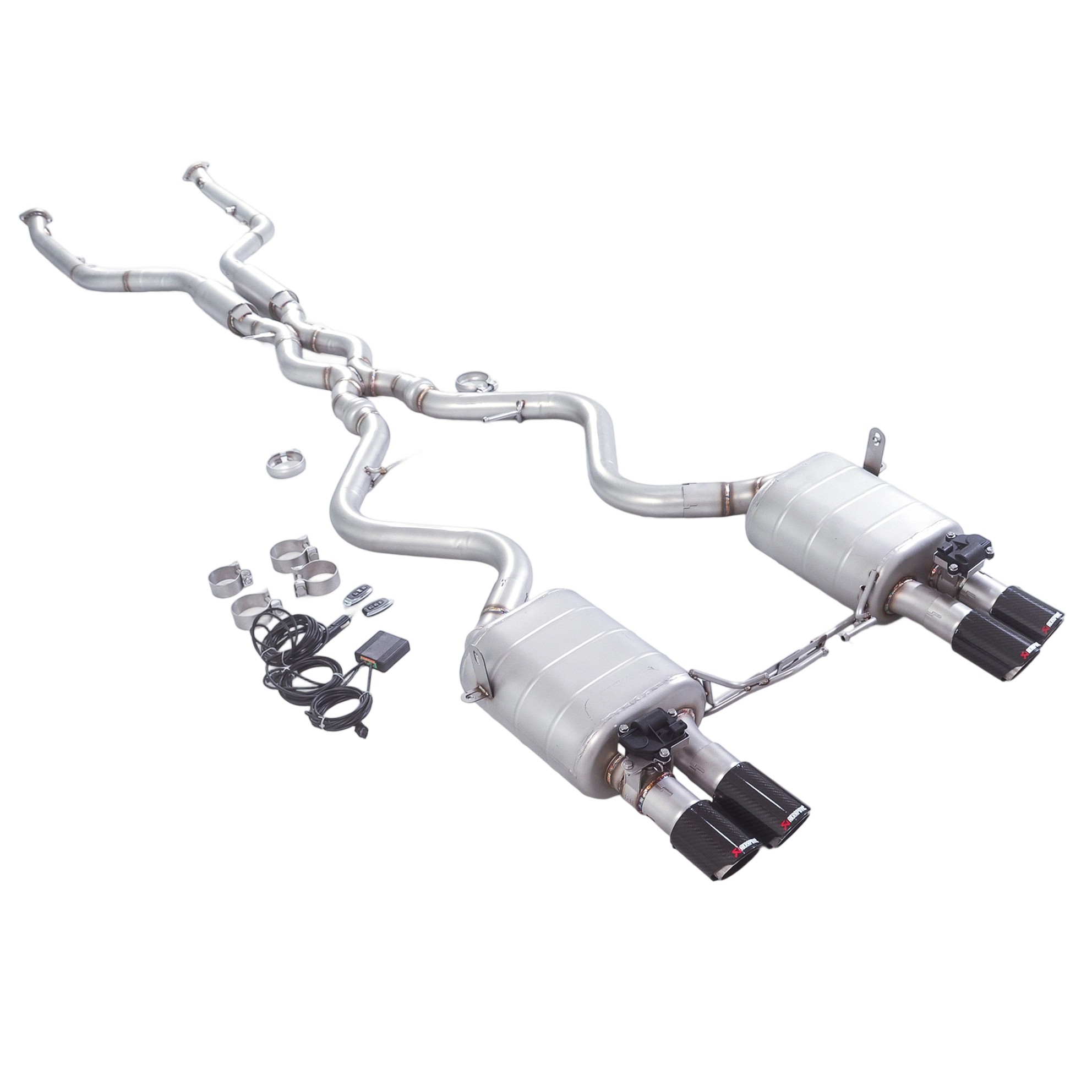
2. Cat-Back Exhaust
This replaces everything from the catalytic converter to the rear.
Best for:
- Balanced performance + sound
- Most daily drivers
Real benefits:
- Gains of +5 to +15 horsepower
- Improved exhaust flow (up to 20%)
- Better throttle response
This is the most recommended option for most users because it delivers real performance gains without compromising reliability.
3. Downpipe / Mid-Pipe Upgrade
These replace sections closer to the engine.
Best for:
- Turbocharged vehicles
- Performance-focused builds
What it solves:
- Reduces major restriction points
- Can significantly increase power (especially with tuning)
Example: On turbo engines, a high-flow downpipe can add 10–25 horsepower when paired with proper tuning.
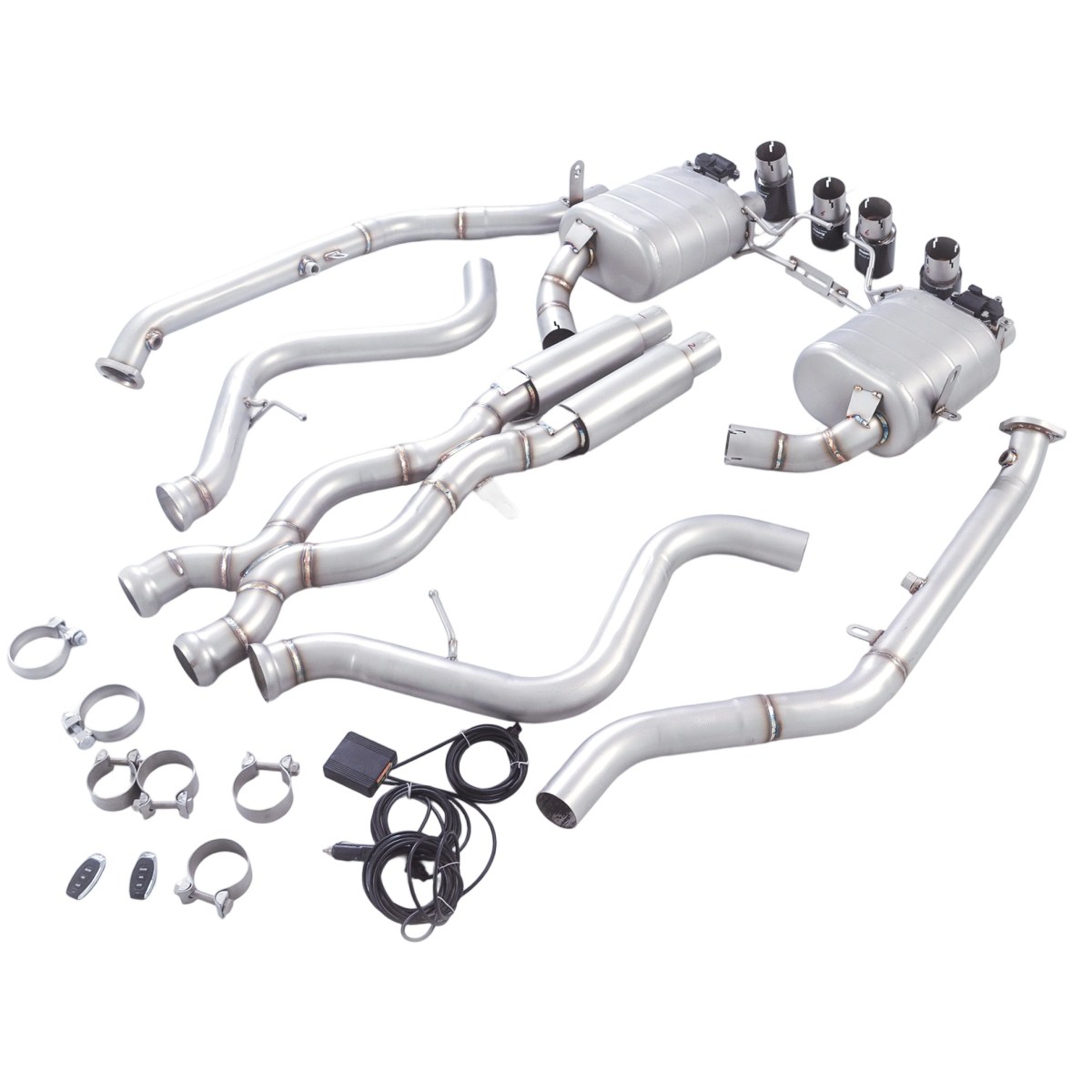
4. Valved Exhaust System
Allows you to control sound levels.
Best for:
- Drivers who want both quiet and aggressive modes
What it solves:
- Loud when you want it, quiet when you need it
- Ideal for daily + performance balance
Step 3: Choose the Right Material
Material directly affects durability and cost.
Stainless Steel (Most Recommended)
- Corrosion-resistant
- Long lifespan (5–10+ years)
- Ideal for daily and performance use
Aluminized Steel
- Lower cost
- Shorter lifespan
- Suitable for budget builds
Titanium (High-End)
- Extremely lightweight (up to 40% lighter)
- Premium performance builds
- Higher cost
For most users, T304 stainless steel offers the best balance of durability and value.
Step 4: Pay Attention to Pipe Diameter
Pipe size affects airflow and engine behavior.
- Too small → Restricts airflow → limits power
- Too large → Reduces exhaust velocity → loss of low-end torque
General guideline:
- Small engines (1.5L–2.5L): 2.25″–2.75″
- Turbo / performance builds: 2.5″–3.5″
A properly sized system ensures optimal airflow without sacrificing drivability.
Step 5: Consider Sound Quality (Not Just Volume)
One of the biggest mistakes is choosing an exhaust based only on loudness.
What actually matters:
- Tone (deep vs raspy)
- Drone (unwanted cabin noise at cruising speed)
- Sound balance
A well-designed system uses resonators and tuned mufflers to eliminate harsh frequencies while maintaining a strong, clean sound.
Step 6: Installation and Compatibility
A good exhaust system should:
- Match factory mounting points
- Require minimal modification
- Include all necessary hardware
Bolt-on systems are ideal for most users, allowing installation in 1–2 hours without welding.
Poor fitment can lead to:
- Exhaust leaks
- Vibration issues
- Reduced performance
Step 7: Real-World Performance Expectations
It’s important to stay realistic.
A quality exhaust upgrade can deliver:
- +5–15 HP (cat-back systems)
- +10–25 HP (with downpipe + tuning)
- 10–20% airflow improvement
However, exhaust alone will not transform your car into a race car. It works best as part of a balanced upgrade setup.
Common Mistakes to Avoid
1. Choosing based on price only
Cheap systems often sacrifice material quality and sound tuning.
2. Going too loud for daily use
Leads to fatigue and possible legal issues.
3. Ignoring vehicle compatibility
Not all exhaust systems fit all trims or configurations.
4. Expecting unrealistic power gains
Performance improvements are real—but moderate.
Final Thoughts
Choosing the right exhaust system is about matching your goals with the correct setup. The best system is not the loudest or most expensive—it’s the one that delivers the right balance of performance, sound, durability, and usability for your driving needs.
For most drivers, a high-quality stainless steel cat-back system is the ideal starting point. It offers measurable performance gains, improved sound, and long-term reliability—all in one upgrade.
Make your choice based on real needs, not hype—and your exhaust upgrade will be one of the most satisfying improvements you can make to your car.