

Understanding Backpressure: The Basics
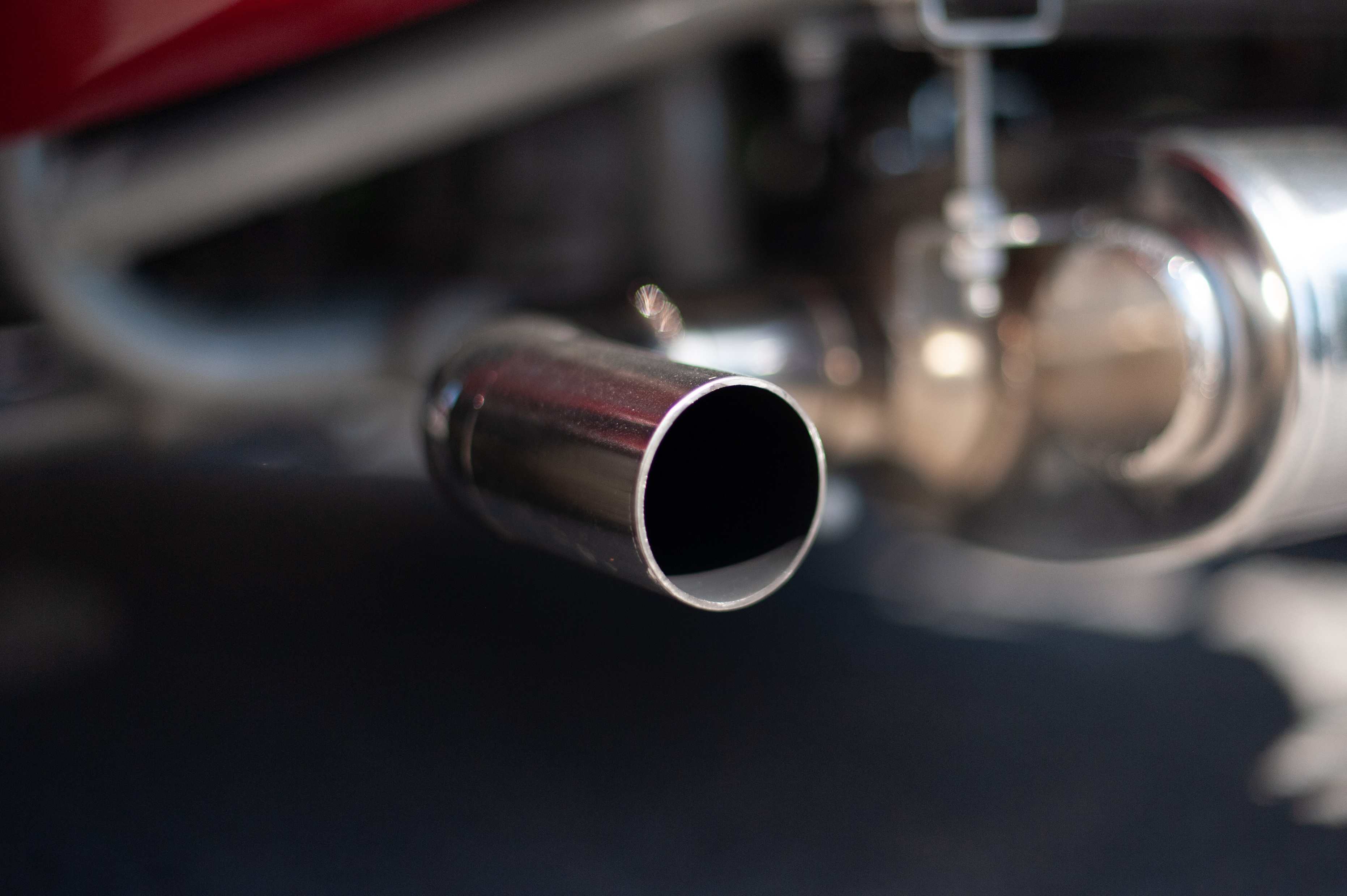
When your engine burns fuel, it produces exhaust gases that must be expelled quickly to make room for the next combustion cycle. Ideally, these gases should flow out smoothly and efficiently.
Backpressure occurs when something in the exhaust system—such as narrow piping, restrictive mufflers, or catalytic converters—slows down or resists this flow.
Think of it like breathing through a narrow straw:
- The more restriction, the harder the engine has to work
- The less efficient the combustion cycle becomes
What Causes Backpressure?
Several components and design factors influence backpressure:
1. Pipe Diameter
Smaller pipes restrict airflow and increase pressure. However, excessively large pipes can reduce exhaust gas velocity, which can also hurt performance at low RPM.
2. Bends and Routing
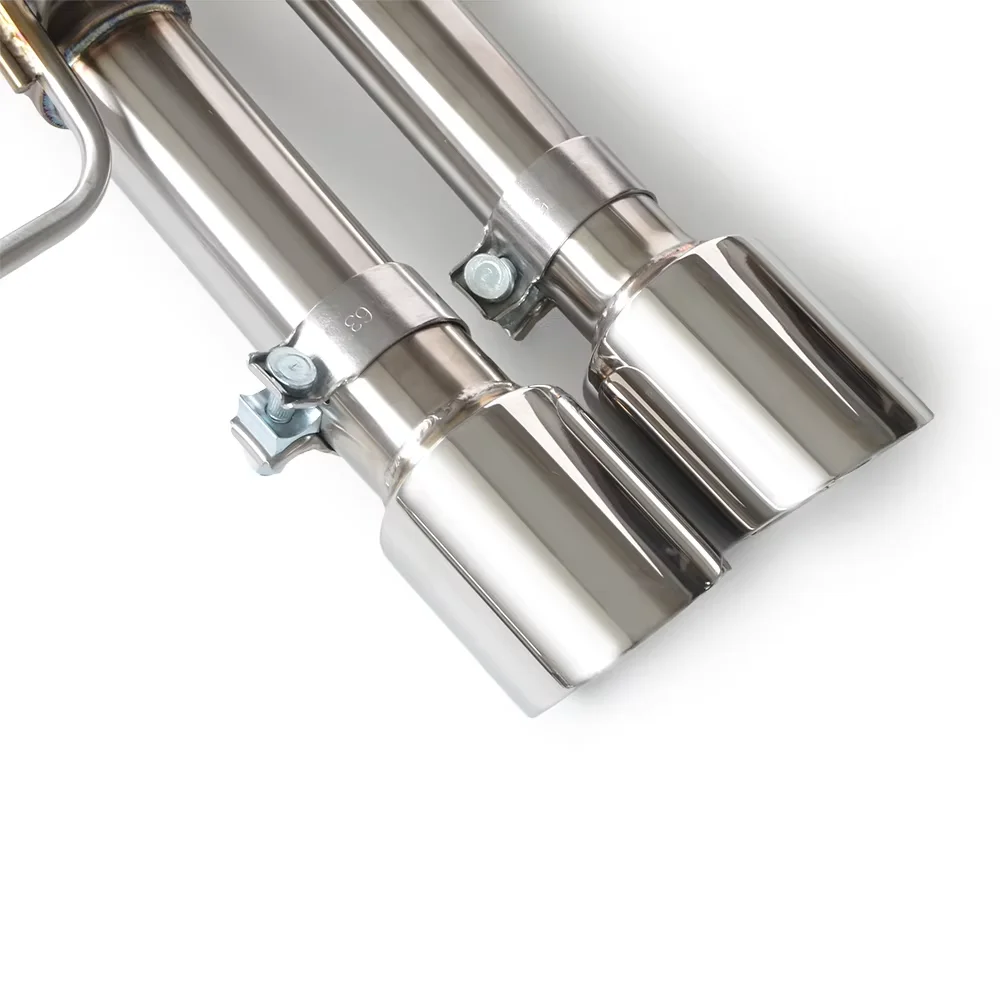
Crush-bent pipes reduce internal diameter at curves, increasing restriction. In contrast, mandrel-bent pipes maintain consistent diameter and can improve airflow by 15–20%.
3. Catalytic Converters
While essential for emissions control, catalytic converters introduce resistance. High-flow catalytic converters are designed to reduce this restriction while still meeting regulations.
4. Mufflers and Resonators
These components are designed to control sound, but poorly designed mufflers can significantly increase backpressure.
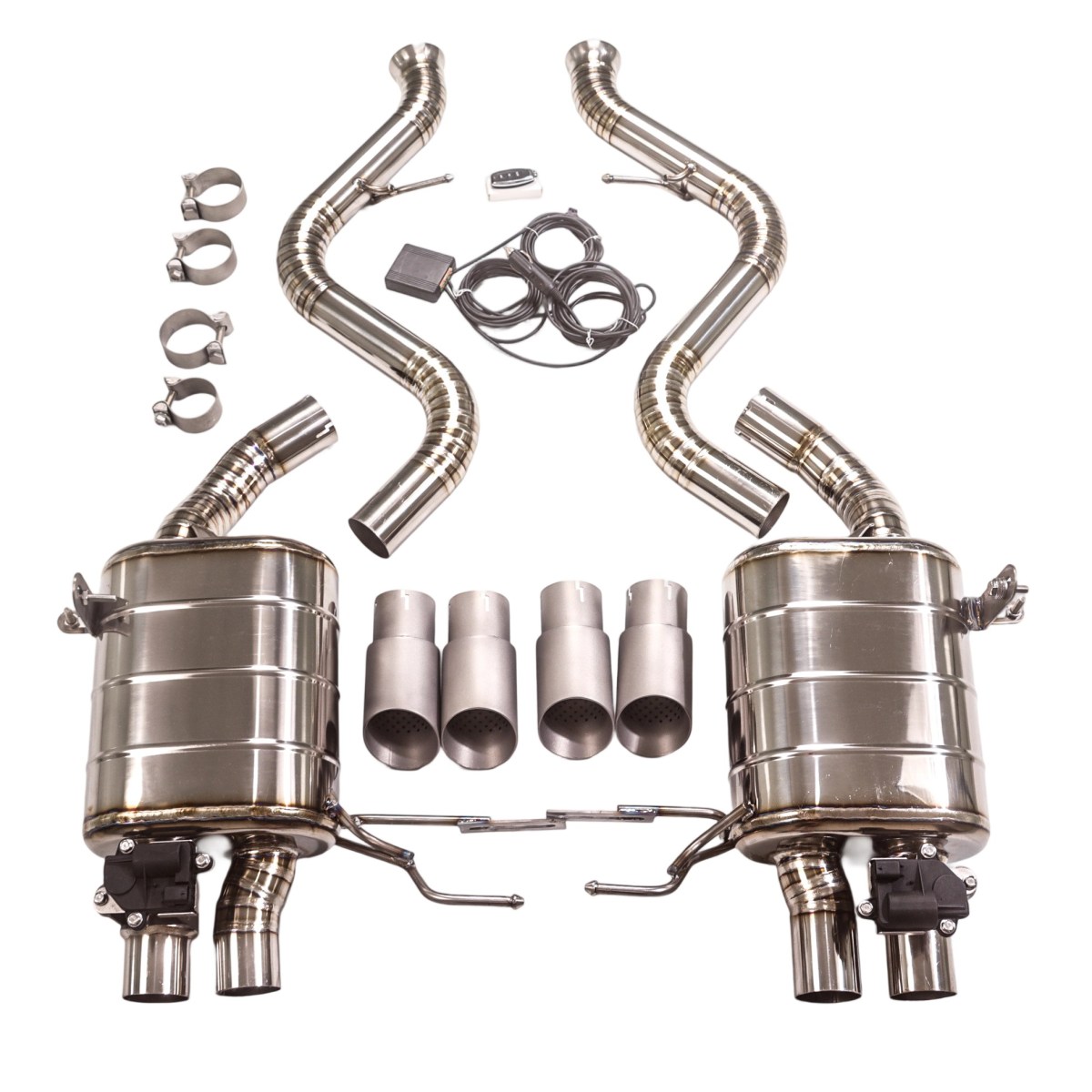
Does Backpressure Help or Hurt Performance?
A common myth is that “engines need backpressure to make power.” This is not entirely correct.
The Truth: Engines Need Proper Flow, Not Backpressure
What engines actually need is efficient exhaust scavenging, not restriction.
- Too much backpressure → reduces power and efficiency
- Too little flow control → can reduce low-end torque
The goal is to optimize exhaust gas velocity and flow, not to create resistance.
The Role of Exhaust Scavenging
Exhaust scavenging refers to the process where exiting exhaust gases help “pull” the next batch of gases out of the engine.
A properly designed exhaust system uses:
- Correct pipe diameter
- Smooth bends
- Balanced pressure waves
This improves cylinder evacuation and allows more fresh air-fuel mixture to enter, increasing efficiency.
Real-World Performance Impact
Reducing unnecessary backpressure can lead to measurable gains:
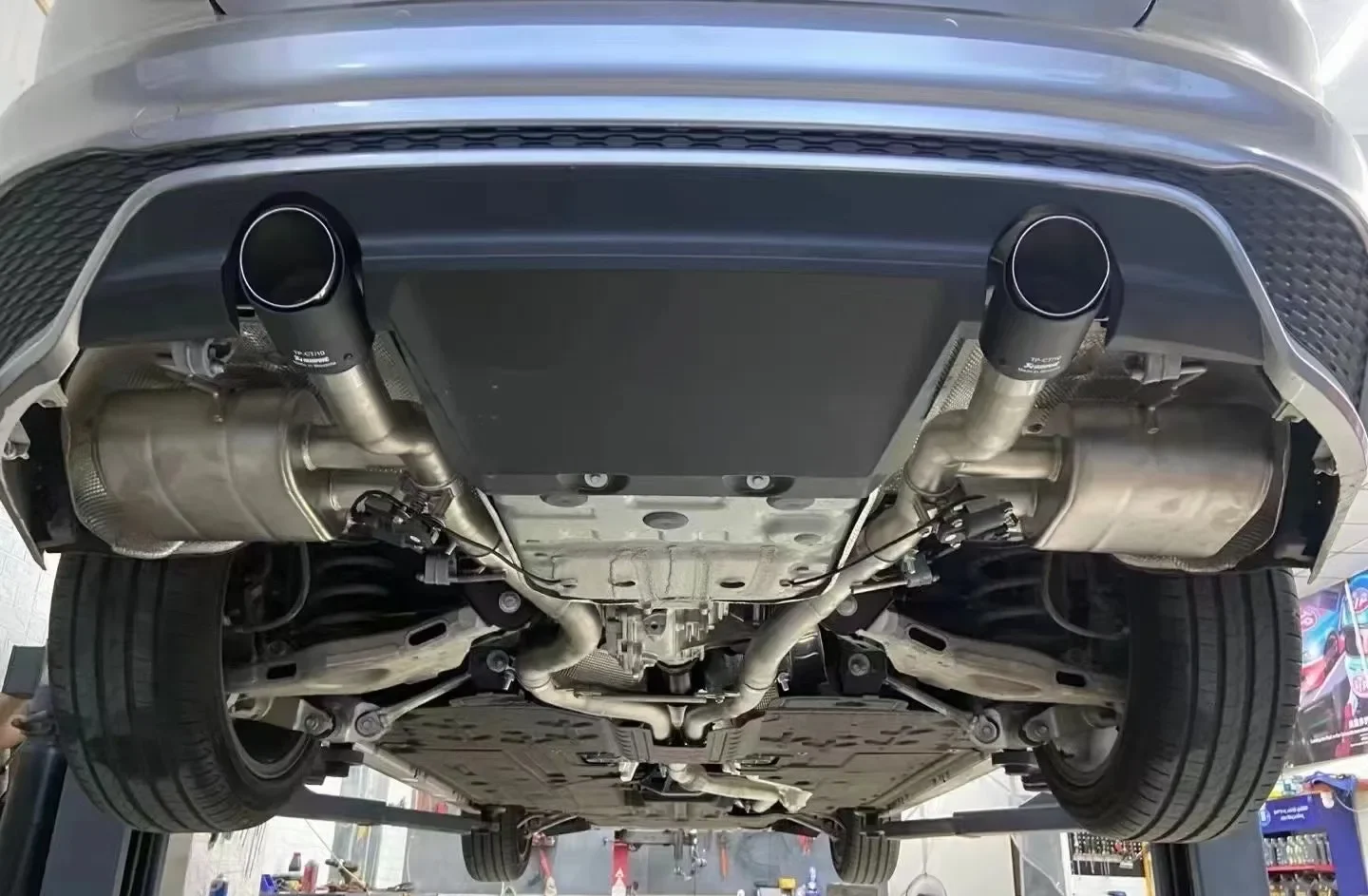
- +5–15 horsepower from a performance cat-back exhaust
- +10–25 horsepower when combined with high-flow downpipes (especially on turbo engines)
- Up to 20% improvement in exhaust flow efficiency
Drivers often notice:
- Faster throttle response
- Smoother acceleration
- Better high-RPM performance
Naturally Aspirated vs Turbocharged Engines
Backpressure affects different engines in different ways.
Naturally Aspirated Engines
These rely more on exhaust scavenging. Proper pipe sizing is critical:
- Too restrictive → power loss
- Too large → weak low-end torque
Balanced design is key.
Turbocharged Engines
Turbo engines benefit more from low backpressure after the turbo.
Why?
- The turbo itself already creates restriction
- Reducing downstream pressure improves turbo efficiency
This is why upgrades like high-flow downpipes can produce significant gains on turbo vehicles.

Common Mistakes to Avoid
1. Removing Everything (Straight Pipe)
While it minimizes restriction, it often:
- Creates excessive noise
- Causes poor sound quality
- May reduce drivability in some setups
2. Oversized Exhaust Systems
Bigger is not always better. Oversized pipes can reduce exhaust velocity and hurt low-end performance.
3. Ignoring System Balance
An exhaust system must work as a whole. Upgrading one part without considering the rest can limit results.
How to Optimize Backpressure
To achieve the best performance, focus on:
- Proper pipe sizing for your engine
- Mandrel-bent tubing for smooth airflow
- High-quality mufflers that reduce restriction without sacrificing sound
- High-flow catalytic converters (if applicable)
A well-designed system reduces unnecessary backpressure while maintaining optimal exhaust velocity.
Final Thoughts
Backpressure is not something you want more of—it’s something you want to control and minimize intelligently. The goal is not zero resistance, but efficient exhaust flow that supports engine performance.
A properly engineered exhaust system strikes the right balance between:
- Flow efficiency
- Gas velocity
- Sound control
- Emissions compliance
Understanding this balance will help you choose the right exhaust setup—one that delivers real performance gains, better efficiency, and a more refined driving experience.