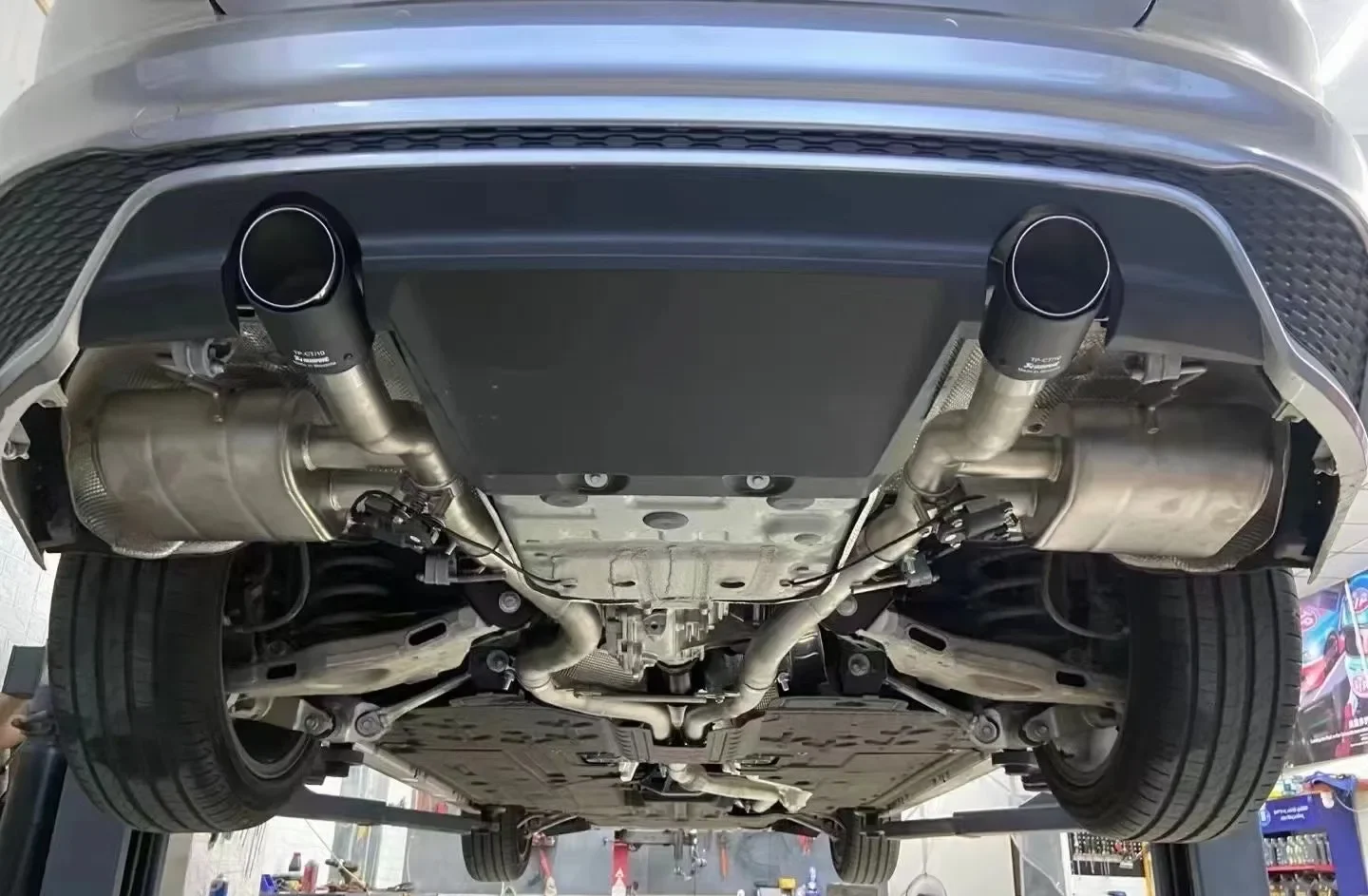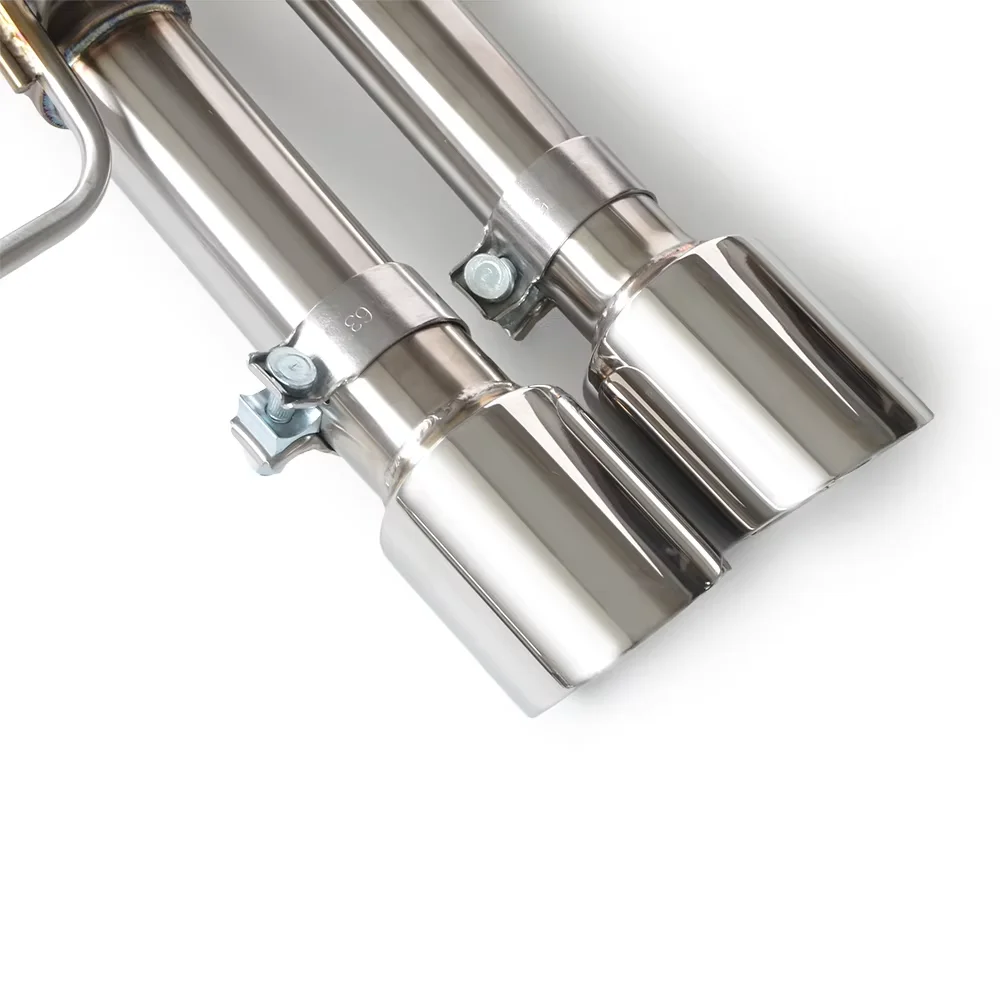



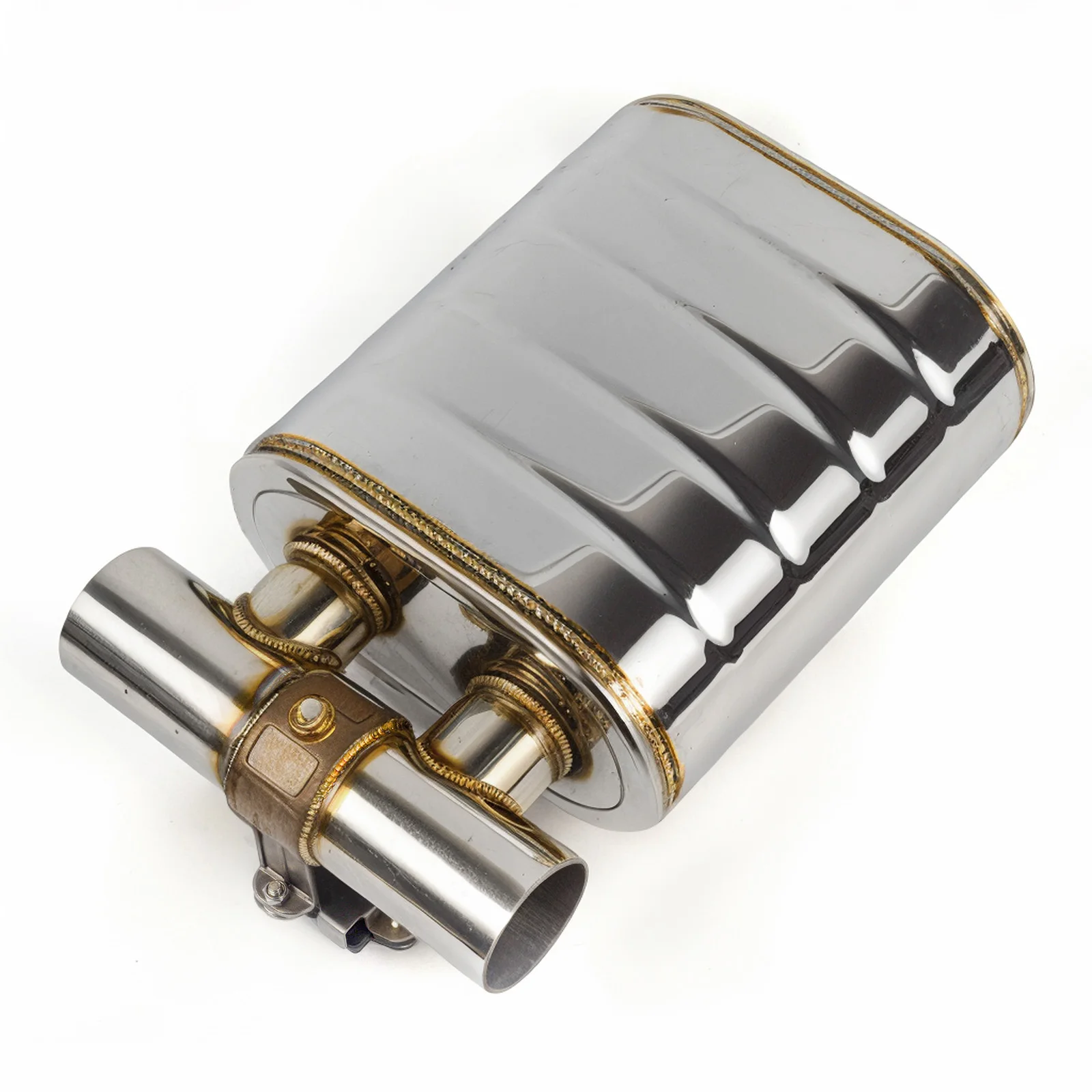
Removing the muffler is one of the most common (and controversial) exhaust modifications. Many drivers assume that taking it off will instantly increase power because it “reduces restriction.” Others worry it might hurt performance. The truth is more nuanced: removing a muffler does not automatically increase power—and in some cases, it can even reduce it.
What Does a Muffler Actually Do?
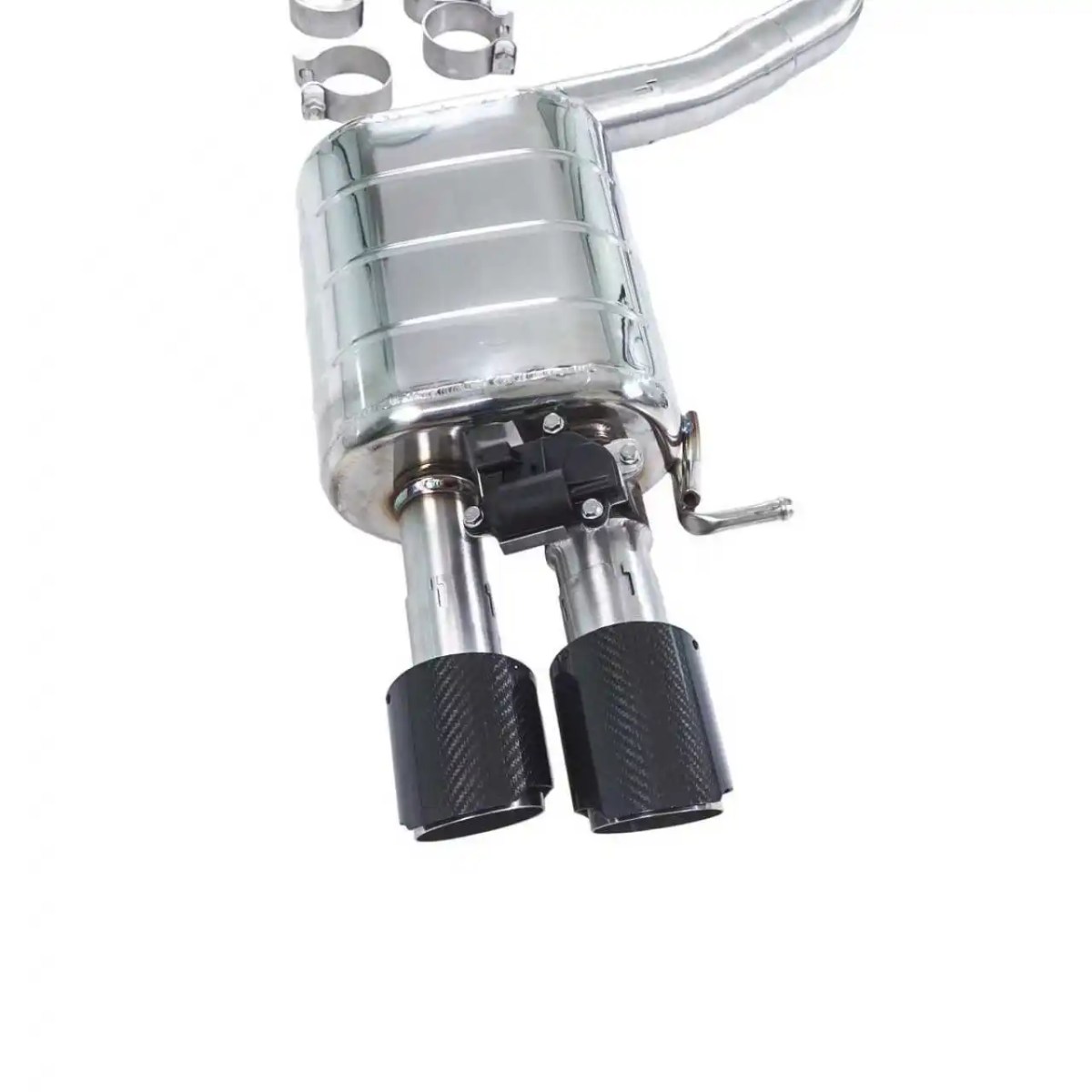
The primary job of a muffler is to reduce exhaust noise. It uses internal chambers, perforated tubes, or sound-absorbing materials to cancel and dampen sound waves produced by the engine.
However, a well-designed muffler does more than just quiet things down. It is also engineered to:
- Maintain proper exhaust flow
- Help stabilize pressure waves
- Minimize unwanted turbulence
Modern performance mufflers are designed to balance sound control with minimal restriction, meaning they don’t significantly limit performance.
Does Removing the Muffler Increase Power?
The Short Answer: Not Much—If at All
Removing the muffler slightly reduces restriction in the exhaust system, but the actual power gain is usually very small.
Typical real-world results:
- 0 to +3 horsepower on most naturally aspirated engines
- Slightly more on older or highly restrictive systems
Why so little? Because in most modern vehicles, the main restriction points are not the muffler, but:
- Catalytic converters
- Pipe diameter
- Exhaust routing
So removing only the muffler doesn’t significantly improve overall airflow.
Can You Actually Lose Power?
Yes—under certain conditions, removing the muffler can reduce performance, especially at low RPM.
1. Loss of Exhaust Gas Velocity
Exhaust systems rely on properly managed gas velocity to help move exhaust gases out efficiently. Removing the muffler can disrupt this balance, leading to:
- Reduced low-end torque
- Slower throttle response
2. Disrupted Pressure Waves
Engines depend on controlled exhaust pulses (pressure waves) to aid in scavenging. A muffler helps smooth and manage these pulses.
Without it:
- Flow can become turbulent
- Scavenging efficiency may decrease
- Engine efficiency can drop slightly
3. Poor System Balance
An exhaust system is designed as a complete unit. Removing one component without adjusting others can negatively affect overall performance.
Naturally Aspirated vs Turbocharged Engines
Naturally Aspirated Engines
These engines are more sensitive to exhaust tuning.
- Muffler removal may reduce low-end torque
- Gains at high RPM are minimal
- Overall driving feel may worsen
Turbocharged Engines
Turbo engines are less affected by muffler removal because:
- The turbocharger already disrupts exhaust flow
- Most restriction occurs before or inside the turbo
In some cases:
- Slight improvements in spool response may occur
- Power gains are still limited without other upgrades
What About Sound?
This is where muffler removal makes the biggest difference.
Without a muffler:
- Sound becomes much louder and more aggressive
- Tone may become raspy or harsh
- Cabin drone (low-frequency noise) often increases
While some drivers enjoy the raw sound, many find it uncomfortable for daily driving—especially on highways.
Legal and Practical Considerations
Running without a muffler can create real-world issues:
- Noise regulations: Many regions have strict limits
- Inspection failure: Some areas require a complete exhaust system
- Unwanted attention: Excessive noise can attract fines
Better Alternatives to Muffler Delete
If your goal is better sound and performance, there are more effective options:
1. Performance Mufflers
Designed to reduce restriction while improving sound
- Minimal power loss
- Deeper, cleaner tone
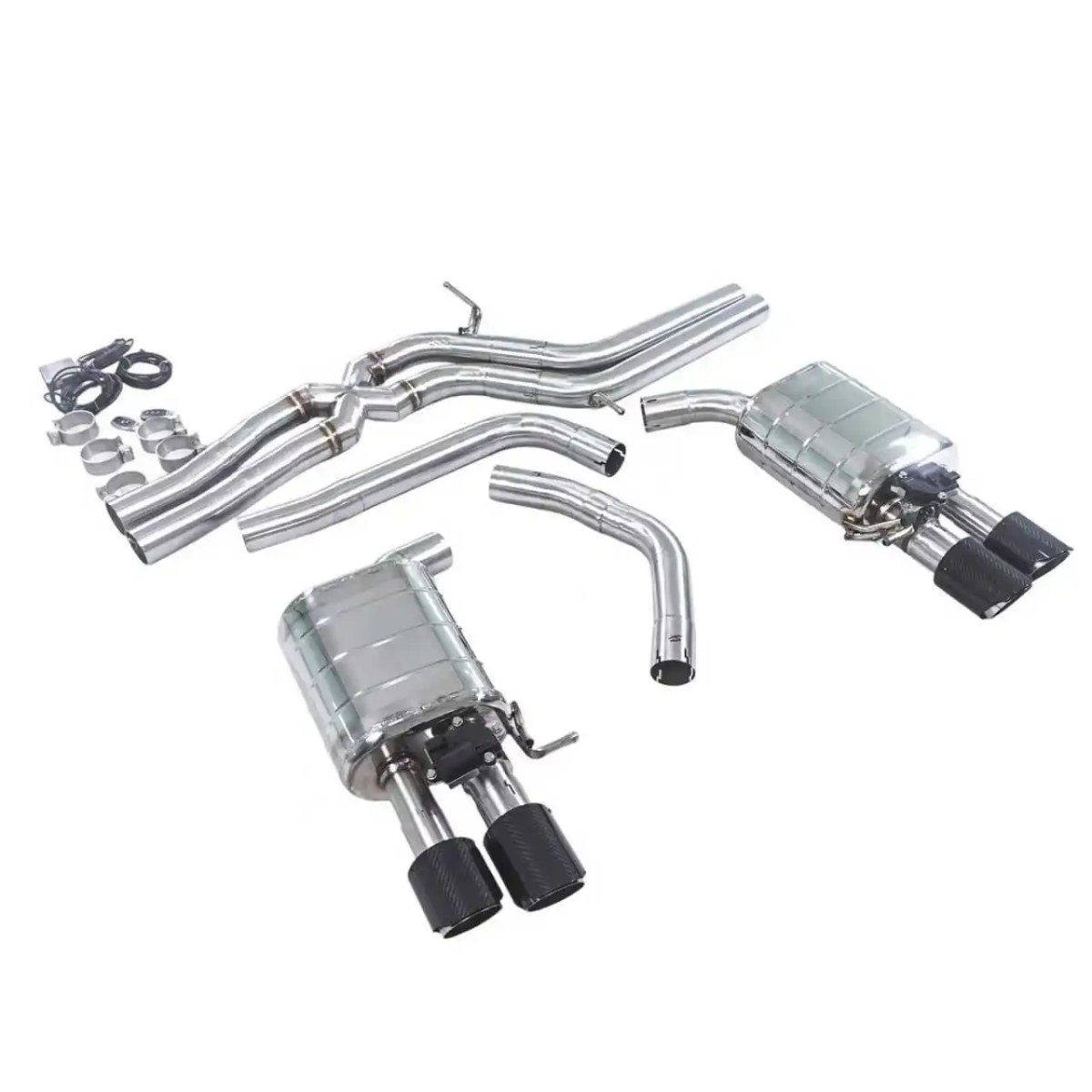
2. Cat-Back Exhaust Systems
A complete upgrade that improves flow and sound
- Gains of +5–15 horsepower
- Balanced performance and acoustics
3. Resonator Delete (in some setups)
Less aggressive than muffler delete
- Moderate sound increase
- Lower risk of drone
4. Valved Exhaust Systems
Adjustable sound levels
- Quiet for daily driving
- Loud when desired
Better Alternatives to Muffler Delete
If your goal is better sound and performance, there are more effective options:
1. Performance Mufflers
Designed to reduce restriction while improving sound
- Minimal power loss
- Deeper, cleaner tone
2. Cat-Back Exhaust Systems
A complete upgrade that improves flow and sound
- Gains of +5–15 horsepower
- Balanced performance and acoustics
3. Resonator Delete (in some setups)
Less aggressive than muffler delete
- Moderate sound increase
- Lower risk of drone
4. Valved Exhaust Systems
Adjustable sound levels
- Quiet for daily driving
- Loud when desired
Real-World Example
In controlled testing on a 2.0L naturally aspirated engine:
- Muffler delete alone:
- +1–2 HP (peak)
- Slight loss in low-end torque
- Full cat-back system:
- +8–12 HP
- Improved torque curve
- Better sound quality
This shows that system design matters far more than simply removing parts.
Final Thoughts
Removing your muffler might seem like a quick way to gain power, but in reality, the benefits are limited—and there are potential downsides.
You may experience:
- Minimal horsepower gains
- Possible torque loss
- Increased noise and reduced comfort
A properly engineered exhaust system will always outperform a simple muffler delete because it maintains the right balance between flow, velocity, and sound control.
If your goal is real performance improvement and a better driving experience, investing in a well-designed performance exhaust system is the smarter and more effective choice.