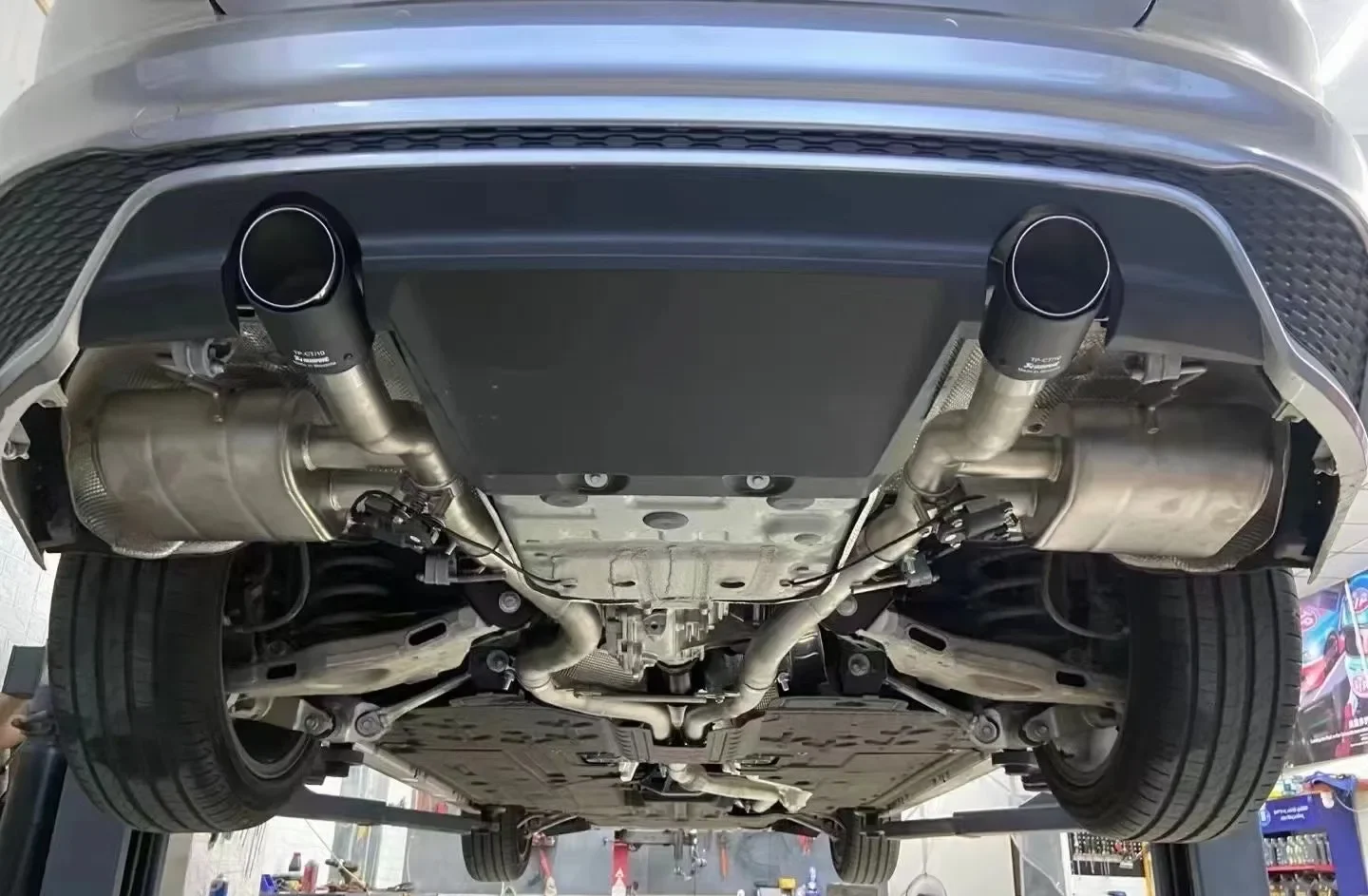



The Core Function of an Exhaust System
At its most basic level, the exhaust system is responsible for removing harmful gases produced during combustion and safely directing them away from the engine and passenger cabin.
When fuel burns inside the engine, it produces gases such as carbon dioxide (CO₂), carbon monoxide (CO), nitrogen oxides (NOx), and unburned hydrocarbons. These gases must be expelled efficiently to allow the engine to continue operating properly.
A well-designed exhaust system ensures:
- Efficient removal of exhaust gases
- Reduced engine strain
- Safer and cleaner emissions
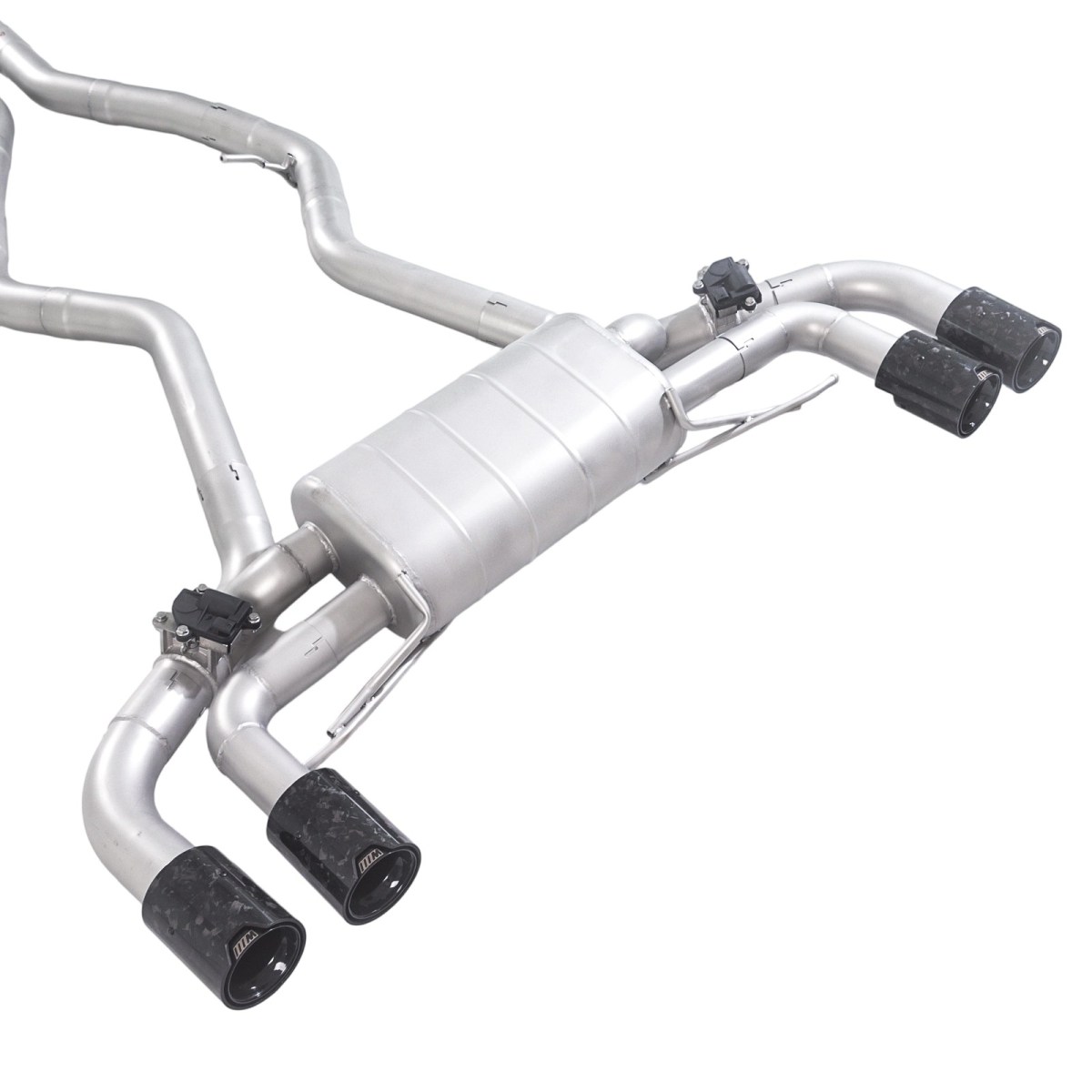
A complete exhaust system consists of several parts working together:
Key Components and How They Work
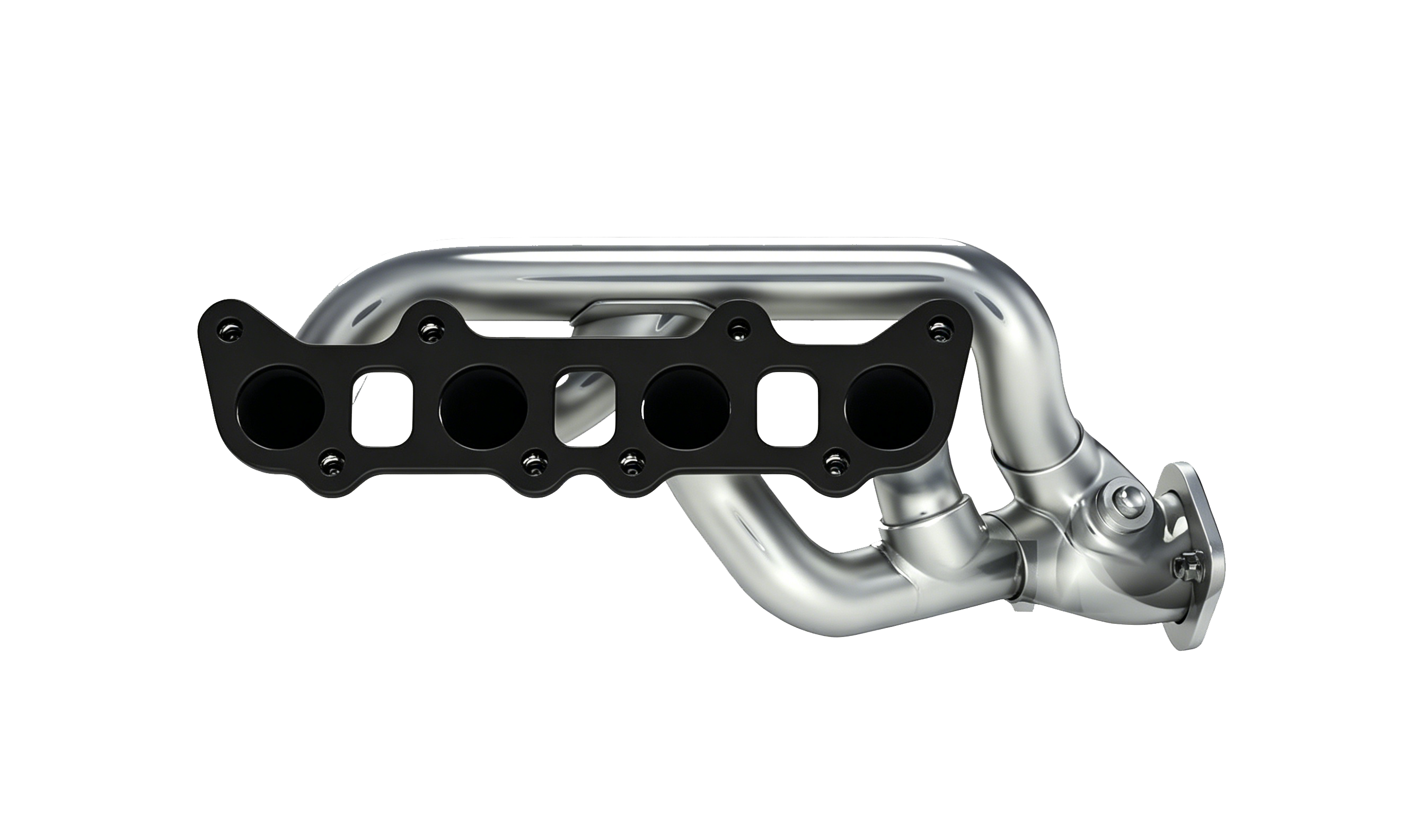
1. Exhaust Manifold
The exhaust manifold collects gases from multiple cylinders and funnels them into a single pipe. Its design directly affects how smoothly gases exit the engine.
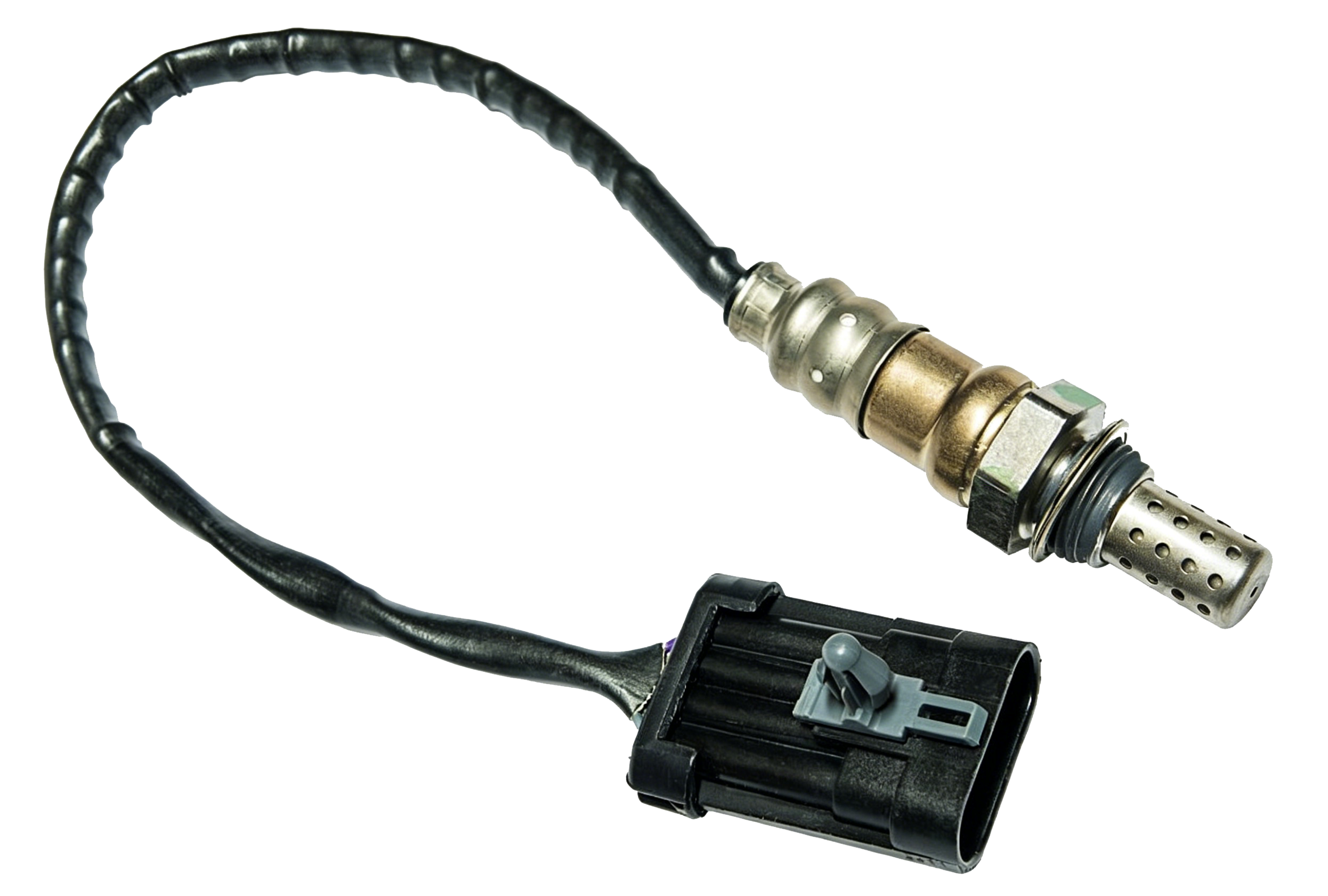
2. Oxygen Sensors
Oxygen (O2) sensors monitor the level of oxygen in the exhaust gases and send data to the engine control unit (ECU). This allows the engine to adjust the air-fuel mixture for optimal combustion.
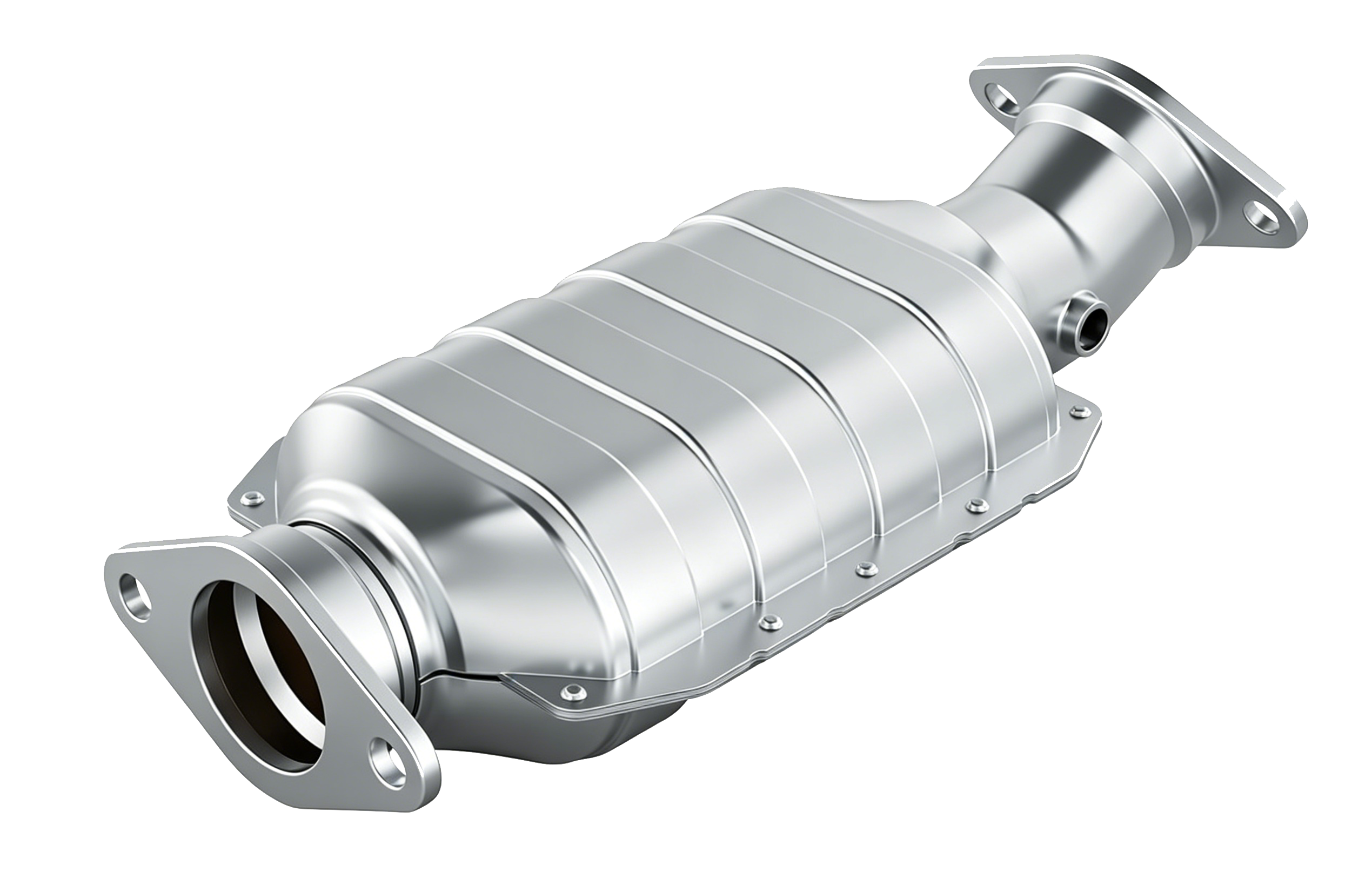
3. Catalytic Converter
The catalytic converter reduces harmful emissions by converting toxic gases into less harmful substances. For example:
- Carbon monoxide → Carbon dioxide
- Nitrogen oxides → Nitrogen and oxygen
Modern catalytic converters can reduce harmful emissions by up to 90% under proper operating conditions.
4. Resonator
The resonator helps fine-tune exhaust sound by eliminating certain frequencies. It works alongside the muffler to create a smoother, more controlled tone.
5. Muffler
The muffler reduces noise produced by the engine. It uses chambers or perforated tubes to cancel sound waves and keep the vehicle compliant with noise regulations.
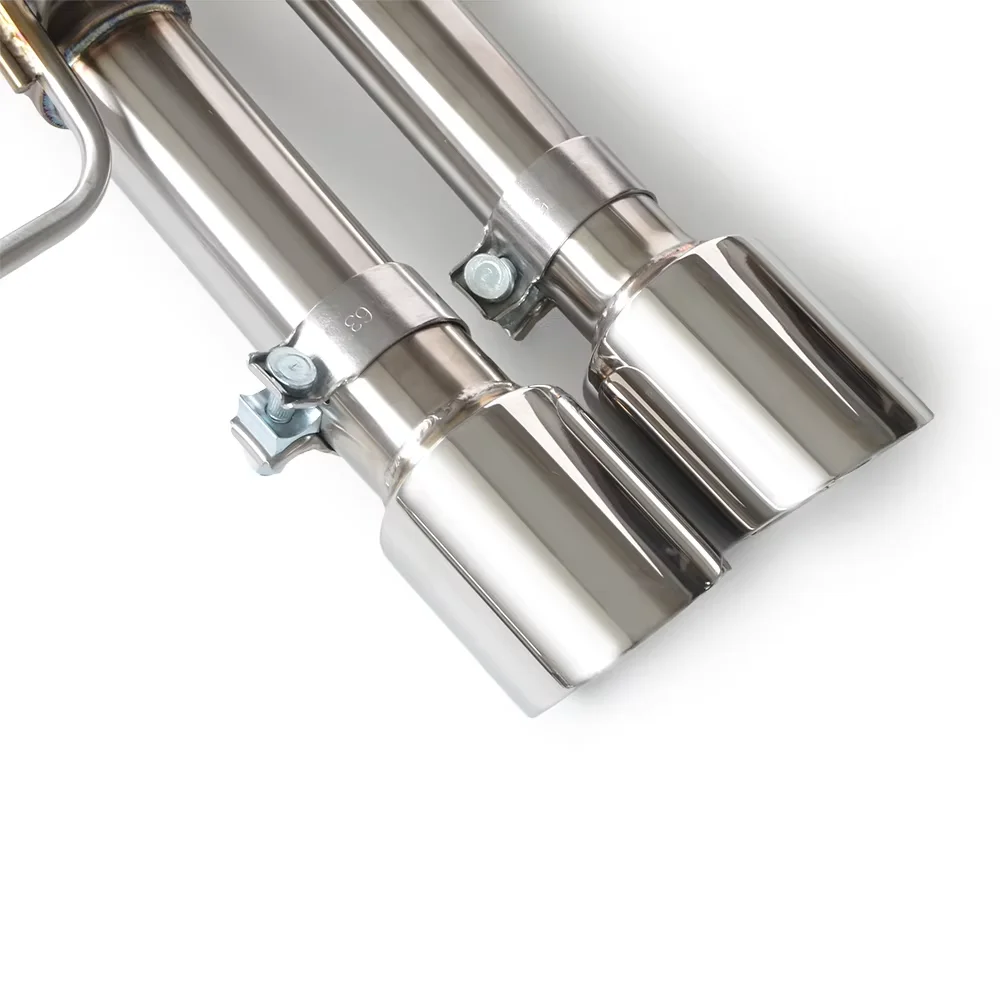
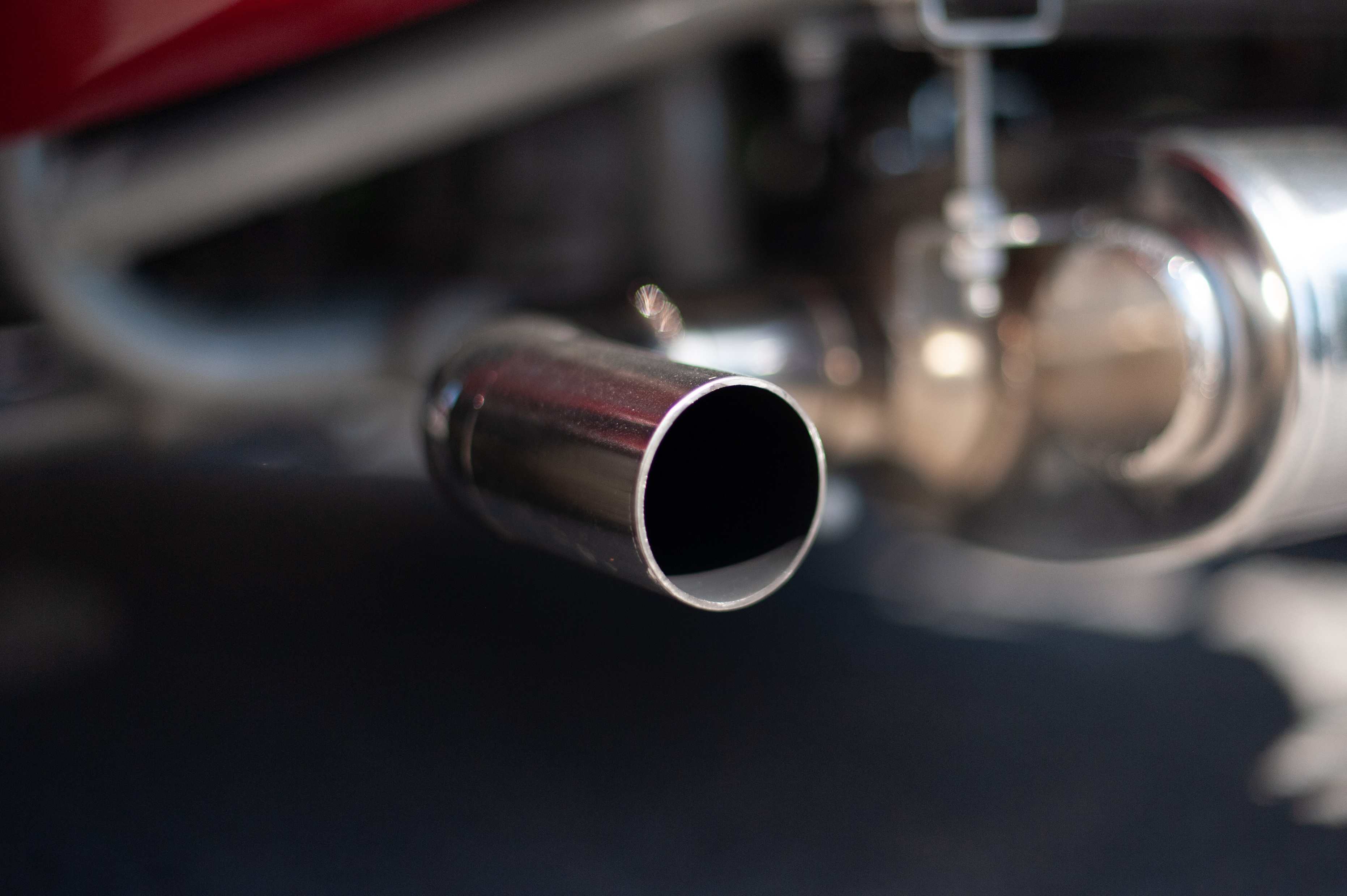
6. Exhaust Pipes
These connect all components and guide gases safely out of the vehicle. Pipe diameter and shape influence airflow and performance.
How the Exhaust System Affects Performance
A properly functioning exhaust system has a direct impact on engine performance.
1. Reducing Backpressure
Backpressure is the resistance exhaust gases face when leaving the engine. While some backpressure is necessary, excessive restriction can reduce power.
Performance exhaust systems are designed to optimize airflow, reducing unnecessary restriction. This allows the engine to expel gases more efficiently, leading to:
- Faster throttle response
- Improved horsepower and torque
- Smoother engine operation
In many cases, upgrading to a performance exhaust system can increase power by 5–15 horsepower, depending on the engine and setup.
2. Improving Fuel Efficiency
Efficient exhaust flow helps the engine maintain optimal combustion conditions. When the engine doesn’t have to work as hard to push out gases, it can operate more efficiently.
Real-world improvements in fuel economy are typically around 2–5%, especially during steady-speed driving.
3. Enhancing Engine Longevity
By efficiently removing heat and gases, the exhaust system helps prevent excessive engine temperatures. This reduces wear on internal components and contributes to longer engine life.
The Role of Exhaust Sound
Sound is one of the most noticeable aspects of an exhaust system. While stock systems are designed to minimize noise, performance exhausts are tuned to create a more engaging driving experience.
A well-designed exhaust produces:
- A deeper, more refined tone
- Reduced unwanted drone
- Balanced sound levels for daily driving
Sound tuning is achieved through a combination of pipe design, resonators, and mufflers—not simply by making the system louder.
Why Exhaust Upgrades Matter
Upgrading your exhaust system is one of the most effective ways to enhance your vehicle without major engine modifications.
A quality aftermarket exhaust can provide:
- Improved airflow and performance
- Reduced weight compared to stock systems
- Better sound quality
- Increased durability with stainless steel construction
For example, replacing a factory exhaust with a mandrel-bent stainless steel system can improve airflow by 15–20% and reduce overall system weight by 10–30%.
Common Misconceptions
“Louder means more power”
Not necessarily. Poorly designed exhaust systems may increase noise without improving performance.
“Removing the muffler improves performance”
While it reduces restriction, it can also disrupt proper airflow balance and lead to poor engine efficiency.
“All exhaust systems are the same”
Differences in materials, design, and engineering can significantly impact performance and durability.
Conclusion
An exhaust system does far more than reduce noise—it is essential for engine efficiency, emissions control, and overall performance. From managing airflow to shaping sound, every component plays a role in how your vehicle operates.
Whether you are maintaining your current system or considering an upgrade, choosing a well-designed exhaust ensures better performance, improved reliability, and a more enjoyable driving experience.